
DIY Sod vs. Hiring a Pro in Central Florida: Why Big-Box Sod Browns Out in a Month
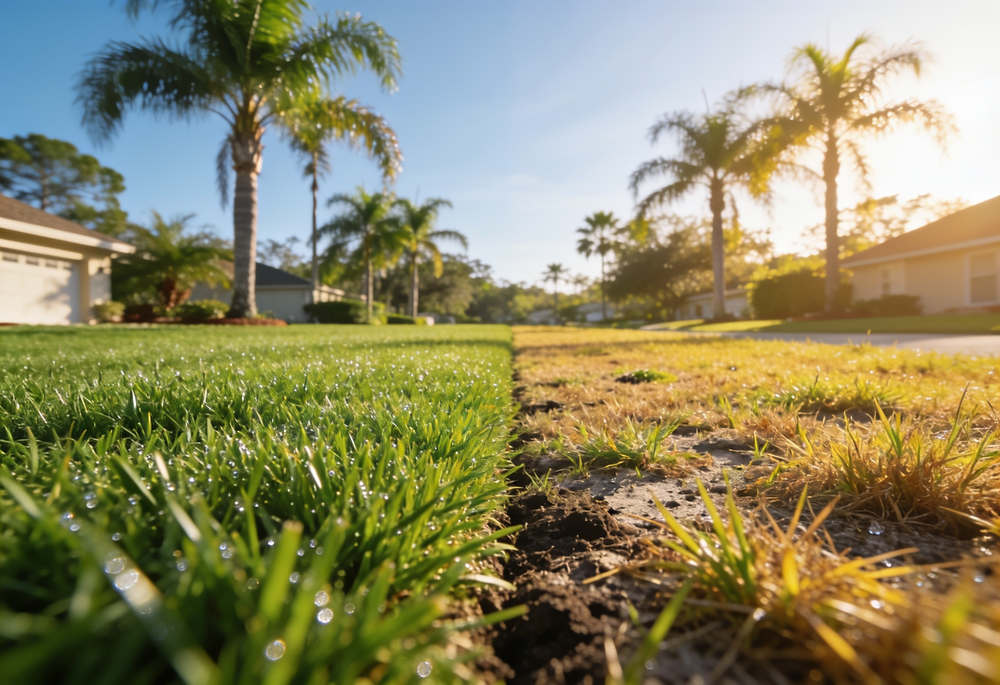
Most homeowners who buy sod at a home improvement store and lay it themselves end up buying sod twice. Not because the grass was bad, but because the prep was skipped or rushed, and new sod laid over a problem surface does not fix the problem. It just covers it temporarily. The grass you see going brown a month after a DIY install is almost always a prep failure, not a watering failure. MV Lawn Services and Landscaping has been doing sod installations across Central Florida for over 25 years, with Javier, Roy, and in-house crews running every job from start to finish. Call MV Lawn for a free honest assessment or reach them at (407) 556-5164 before you commit to buying sod on your own.
The prep is the whole game
Homeowners in the Winter Garden area call about failed DIY sod installs more often than almost any other lawn issue. The pattern is almost always the same: new sod laid directly over dead sod or poorly graded soil, watered correctly for two weeks, and then watched go brown right as the watering schedule was supposed to back off. The new grass never rooted properly because the surface beneath it was not prepared to receive roots. Dead sod left in place is a physical barrier. It does not decompose fast enough to be irrelevant, and roots cannot push through a mat of dead material to reach the soil below.
In Oviedo and similar communities where homes often have Bermuda or St. Augustine lawns that have thinned out over years of shade stress or drought, the same mistake appears in a different form. Homeowners fill in the thin spots with new sod without removing the existing thatch layer or addressing whatever caused the original grass to fail. The new grass goes in looking good and then encounters the same conditions that killed the first round. A sod cutter removes the existing material cleanly. Raking and filling afterward ensures the surface is level enough that the new sod sits flat and makes even contact with the soil. Lumpy installs show their problems under the first few mowing sessions when the mower scalps the high spots.
The Lake Nona area, where newer homes often have compact, sandy soils compacted further during construction, presents a third scenario: new sod laid over soil that has not been properly loosened and amended. Sod needs to root within the first two weeks or it is in serious trouble. Roots cannot penetrate compacted soil fast enough to establish before the grass runs out of stored energy. A professional install addresses soil condition before the first roll of sod goes down.
The true cost of doing it yourself
The logic behind DIY sod usually starts with the price of the grass itself. Sod at a home improvement store or from a delivered pallet looks like the primary cost, and the labor looks like the savings. By the time the full picture is in view, the math changes. Equipment rental for a sod cutter and aerator covers a day's worth of work on a mid-size yard. Delivery fees for pallets of sod are not trivial. Disposal of the material removed by the sod cutter is a separate cost. If the prep reveals a grading problem or a drainage issue, those are added expenses that were not in the original estimate.
A professional crew brings their own equipment, handles the disposal, and does the prep and installation in a single mobilization. The savings between DIY and professional installation on a mid-size Central Florida lawn are often smaller than homeowners expect before they add up the actual line items. And when the DIY install fails and the homeowner is looking at buying sod a second time, the professional installation starts to look like the less expensive option in retrospect.
Watering: the aftercare that most DIYers get wrong
Getting the prep right and choosing the correct grass variety are the first two variables. Watering protocol is the third, and it is where installs that survive the first week still fall apart in week two. New sod in Central Florida needs to be watered twice daily, morning and evening, for the first two weeks. Not midday. Watering at midday in Florida's heat causes the water to evaporate before it reaches the roots and can stress the grass with temperature fluctuation. Morning and evening cycles keep the soil consistently moist through the establishment period without cooking the surface.
During those same two weeks, the lawn should not be mowed. The first mowing happens after two weeks, and when it does, the mower should be set high. Cutting new sod short before it has fully rooted puts the grass under stress at exactly the wrong moment. When the lawn is established and regular mowing resumes, keeping St. Augustine or Zoysia cut at the higher end of its recommended range helps shade the soil and reduce moisture loss between waterings.
Grass variety and soil type are not one-size decisions
Shade coverage, sun exposure, soil type, and regional drainage patterns all affect which grass variety is right for a specific yard. A full-sun Zoysia install makes no sense in a yard where mature tree canopy blocks light for most of the afternoon. Sandy, coastal soils near the Daytona Beach area require locally grown sand-based sod that is already acclimated to that substrate. Bringing in sod grown on a different soil type and laying it in coastal sand creates a layering problem that slows rooting even when the prep and watering are correct.
This is the kind of assessment that comes out of a site visit, not a phone call. A sod installation that starts with a look at the actual yard, the existing soil, the shade pattern, and the irrigation coverage produces a different result than one that starts with a pallet of whatever was available at the store. If the property does not have an existing irrigation installation that can cover the new lawn during establishment, that is a conversation worth having before the sod goes down rather than after.
If you are weighing whether to lay sod yourself or have it done right the first time, the free assessment is the place to start. Call MV Lawn Services and Landscaping at (407) 556-5164 or request your free sod assessment from MV Lawn and find out what your yard actually needs before you buy anything.