
Florida Irrigation Repair and Water Saving Guide
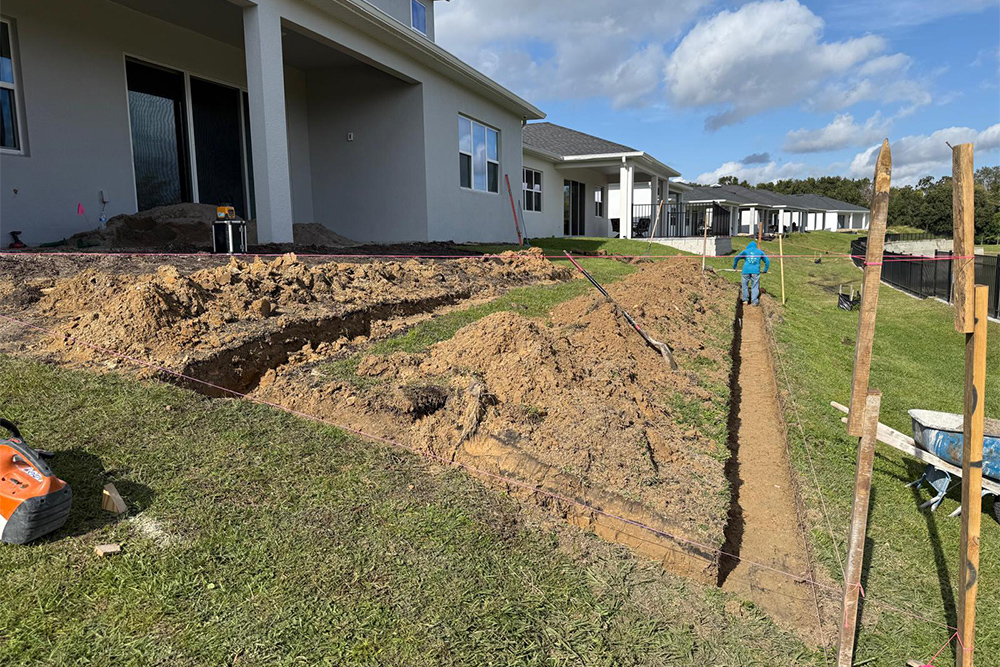
Introduction: Why Most Florida Lawns Waste Water
In Central Florida, irrigation is one of the most misunderstood parts of landscaping. Homeowners often assume that more water means healthier grass, but in reality, poor irrigation design leads to wasted water, weak root systems, and expensive utility bills.
Across Orlando, Winter Park, Sanford, and Daytona Beach, irrigation systems are often installed quickly during construction without considering long term plant growth or seasonal rainfall changes.
As the owner explains, “It is often not about how often you water, but whether you are watering efficiently.”
This guide breaks down how irrigation systems actually fail, how upgrades fix water waste, and why proper design is essential for healthy Florida landscapes.
The Real Problem With Florida Irrigation Systems
Most irrigation systems in Central Florida are builder grade. They are designed for cost efficiency, not performance. This leads to undersized zones, mismatched sprinkler heads, and poor coverage across changing landscapes.
Over time, properties change. Plants grow, trees mature, and homeowners redesign beds or add new landscaping features. But irrigation systems rarely evolve with them.
The result is uneven watering, dry patches, and oversaturated areas all in the same yard.
As the owner puts it,
“Many irrigation systems are installed without thinking of the future. As landscapes change, the system must be adjusted.”
Explore irrigation upgrades here.
Service areas include:
Why Mixing Sprinkler Heads Causes Lawn Damage
One of the most common irrigation mistakes is mixing different types of sprinkler heads in the same zone. Spray heads, rotor heads, and MP nozzles all operate at different rates and require different run times.
When they are combined incorrectly, parts of the lawn receive too much water while others receive too little. This leads to patchy grass, fungal growth, and wasted water.
The owner explains clearly, “You want spray heads with spray heads and rotors with rotors because they require different run times.”
Another common issue is installing MP nozzles without adjusting watering schedules. While they are designed to save water, they must run longer to achieve proper saturation.
Without proper calibration, water savings never actually happen.
Outdated Timers and Why They Waste Water
Many older homes still rely on outdated irrigation timers or manual systems. These systems do not account for rainfall, temperature changes, or seasonal adjustments.
This means sprinklers often run during or after heavy rain, which leads to oversaturated soil and runoff into sidewalks and streets.
Modern systems now include smart timers and rain sensors that automatically shut off irrigation when it is not needed.
As noted in field experience, “We install rain sensors so the system shuts off when there has been enough rain.”
This small upgrade alone can significantly reduce water bills and improve lawn health.
The Hidden Connection Between Irrigation and Sod Failure
Irrigation problems are one of the leading causes of sod failure in Central Florida. Even professionally installed sod can fail if watering schedules are inconsistent or poorly designed.
New sod requires careful watering in the first few weeks. Too little water prevents root establishment. Too much water leads to shallow roots and disease.
The owner explains, “New sod needs to be watered properly so roots grow down into the soil instead of staying shallow.”
Proper irrigation ensures water reaches the root zone evenly, especially in sandy coastal areas like Daytona Beach where drainage happens quickly.
Learn more about sod installation.
Why Irrigation Must Match Landscape Design
Irrigation cannot be designed in isolation. It must match the layout of the landscape, plant types, and soil conditions. When landscaping changes are made without adjusting irrigation, problems quickly appear.
For example, when shrubs grow taller, they can block sprinkler spray patterns. When new garden beds are added, existing zones may no longer reach all plants evenly.
A properly designed system takes these changes into account from the beginning.
Start planning here.
Overwatering vs Underwatering in Florida Lawns
One of the biggest misconceptions in lawn care is that more water equals better results. In reality, both overwatering and underwatering cause serious damage.
Overwatering leads to shallow roots, fungal growth, and weed infestations like dollarweed. Underwatering creates drought stress that attracts pests such as chinch bugs.
As the owner explains, “Under watering can cause drought stress and insects to thrive. Over watering can create shallow roots and weed problems.”
The goal is balance. Water deeply but less frequently to encourage strong root growth.
Why Irrigation Zoning Matters More Than You Think
Proper irrigation zoning is one of the most important parts of system design. Each zone should group plants with similar water needs and exposure levels.
For example, shaded areas should not be watered the same as full sun zones. Grass areas should not be combined with flower beds that require different moisture levels.
Without proper zoning, some areas are always overwatered while others remain dry.
Professional systems are designed to correct this imbalance from the start.
Irrigation Upgrades That Save Water and Money
Upgrading an irrigation system does not always mean replacing everything. In many cases, small adjustments can dramatically improve efficiency.
Common upgrades include:
Replacing outdated timers with smart controllers
Adding rain sensors to prevent unnecessary watering
Reconfiguring sprinkler zones for better coverage
Adjusting head types to match water output
Improving coverage for expanded landscapes
These changes help reduce water waste while improving lawn health across Central Florida properties.
Service support available in:
How Irrigation Affects Other Landscape Systems
Irrigation is directly connected to almost every part of a landscape. It affects sod health, plant survival, mulch stability, and even hardscape longevity.
Too much water near paver edges can cause shifting and erosion. Poor drainage combined with irrigation runoff can lead to flooding issues. Incorrect watering near trees can weaken root systems over time.
This is why irrigation must be considered during full landscape planning, not after installation.
Related services:
Artificial Turf and Irrigation Removal
Artificial turf installations often require irrigation modifications or full removal of existing sprinkler zones. This is because turf does not need traditional watering systems.
However, drainage still plays an important role. Turf bases must be designed to allow water to flow through and away from the surface.
As explained in field practice,
“It is low maintenance, but that does not mean no maintenance.”
Proper installation ensures turf remains dry, clean, and functional even during Florida’s heavy rain seasons.
Learn more here.
Commercial Irrigation Efficiency
Commercial properties across Central Florida face even larger irrigation challenges. Large lawn areas, mixed plant zones, and high water usage require precise control systems.
Efficiency becomes critical at scale. Even small inefficiencies can lead to significant water waste and increased operational costs.
Professional commercial systems are designed to reduce waste while maintaining consistent landscape appearance.
Learn more here.
Why Proper Irrigation Protects Your Entire Property
A well designed irrigation system does more than keep grass green. It protects soil structure, prevents erosion, supports plant health, and reduces long term maintenance costs.
It also ensures that landscaping investments like sod, trees, and hardscapes last longer.
Without proper irrigation, even the best landscape design will eventually fail.
Explore full services here.
Conclusion: Irrigation Is the Foundation of Every Healthy Lawn
In Central Florida, irrigation is not optional. It is the foundation of every successful landscape. From sandy soils in Daytona Beach to suburban yards in Sanford and Orlando, every property depends on proper water management.
When systems are designed correctly, landscapes thrive. When they are not, problems appear quickly and become expensive to fix.
As the owner explains, “It is not about how often you water, it is about whether you are watering efficiently.”
Call to Action
If your irrigation system is wasting water, leaving dry patches, or overwatering parts of your lawn, it is time for a professional evaluation. Get expert upgrades designed specifically for Central Florida conditions and protect your landscape investment.
Contact MV Lawn Service & Landscaping today for a consultation and custom irrigation solution.