
Florida Sod Installation Mistakes and Lawn Care Guide
Introduction: Why Florida Lawns Fail So Easily
In Central Florida, a healthy lawn is not something you can “set and forget.” Between sandy coastal soil in Daytona Beach, clay-heavy pockets in inland areas, and intense summer rainfall across Orlando, Winter Park, and Sanford, sod installation is only successful when every step is done correctly.
As the owner explains from years of field experience, “The most important part of sod is the prep work and the after care. Laying sod is the simplest part.”
This blog breaks down why sod fails, what professionals do differently, and how proper preparation and irrigation determine whether your lawn thrives or dies within weeks.
Why Sod Installation Is More Than Just Rolling Grass
Many homeowners assume sod installation is simply laying down fresh grass. In reality, it is a system that depends on soil condition, grading, irrigation, and aftercare.
Without proper preparation, even high quality sod will fail. Roots cannot establish if the soil is compacted, uneven, or filled with old dead grass.
Professional installation always begins with full removal of existing turf, followed by soil grading and leveling to ensure proper water flow.
Explore professional installation here.
Service areas include:
The Biggest Sod Mistake Homeowners Make
One of the most common mistakes homeowners make is trying to install sod over existing dead grass or uneven soil. This creates air gaps, poor root contact, and inconsistent growth patterns.
Another major issue is skipping proper soil preparation tools like sod cutters. Without full removal of old turf, new sod struggles to connect with the ground beneath it.
As the owner explains, “Never lay new sod over dead sod. The best way to ensure success is to remove everything and properly prepare the soil.”
Even small mistakes in grading can lead to long term problems like pooling water, dry patches, or tripping hazards.
Why DIY Sod Jobs Fail in Florida
DIY sod installation is common across Central Florida, but most homeowners underestimate the preparation required.
By the time sod, equipment rental, and delivery are all added up, the cost savings are often minimal compared to hiring professionals. The difference is not just cost, it is long term success.
Common DIY mistakes include:
Skipping soil leveling
Failing to fill low spots
Using inconsistent watering schedules
Mowing too early or too short
Ignoring irrigation zone differences
The owner puts it simply, “Homeowners sometimes think they can save money, but by the time everything is done, it is often not worth the risk of doing it incorrectly.”
The Critical Role of Irrigation in Sod Survival
New sod depends heavily on irrigation during the first few weeks. Without consistent watering, roots cannot establish properly.
However, overwatering is just as damaging as underwatering. Too much moisture keeps roots shallow and encourages weeds and fungus. Too little water causes stress and patchy growth.
As explained in field experience,
“You must water long enough for the water to penetrate the soil and force the roots to grow down.”
This is why irrigation systems must be properly designed and adjusted during sod installation.
Why Sprinkler Type Matters More Than You Think
One of the most overlooked sod problems comes from mixing different sprinkler head types in the same zone.
Spray heads, rotor heads, and MP nozzles all deliver water at different rates. When combined incorrectly, parts of the lawn become overwatered while others stay dry.
As the owner explains, “You do not want to mix different types of heads in one zone because they all need different run times.”
Proper zoning ensures uniform watering across the entire lawn, which is critical for new sod establishment.
Soil Differences Across Central Florida
Sod installation is not the same everywhere in Florida. Soil conditions vary significantly from coastal to inland areas.
In places like Daytona Beach, sandy soil drains quickly and requires sod that can establish fast in low nutrient environments. Inland areas like Ocala or parts of Sanford often have heavier clay soil that retains moisture longer and requires careful grading.
As the owner explains, “We choose sod based on location, soil type, and exposure to sun or shade.”
This is why localized experience matters when selecting and installing sod.
Explore service areas:
The Importance of Proper Lawn Grading
Grading is one of the most important steps in sod installation, yet it is often overlooked in DIY projects.
Without proper grading, water will pool in low areas or run off too quickly in sloped areas. Both conditions lead to weak root development and uneven growth.
Professional grading ensures:
Even water distribution
Proper drainage away from structures
Smooth, level surface for root growth
Reduced risk of future soil shifting
This step is what separates a temporary lawn from a long lasting one.
Explore related services:
Why Aftercare Determines Everything
Even perfectly installed sod can fail without proper aftercare. The first few weeks are critical for root establishment.
Homeowners often make the mistake of reducing watering too early or mowing too soon. Sod needs time to anchor itself into the soil before it can handle normal lawn activity.
As the owner explains, “New sod needs to be watered twice daily in the first two weeks, once in the morning and once in the evening.”
After this period, watering frequency is gradually reduced to encourage deeper root growth.
When Sod Problems Start to Show
Sod failure does not usually happen overnight. It develops over time due to small mistakes that compound.
Early warning signs include:
Yellowing patches
Uneven growth patterns
Soft or spongy ground
Dry edges along seams
Weed growth between sections
These issues are often linked to improper installation or irrigation imbalance.
In many cases, correcting irrigation and soil conditions early can save the lawn before full replacement is needed.
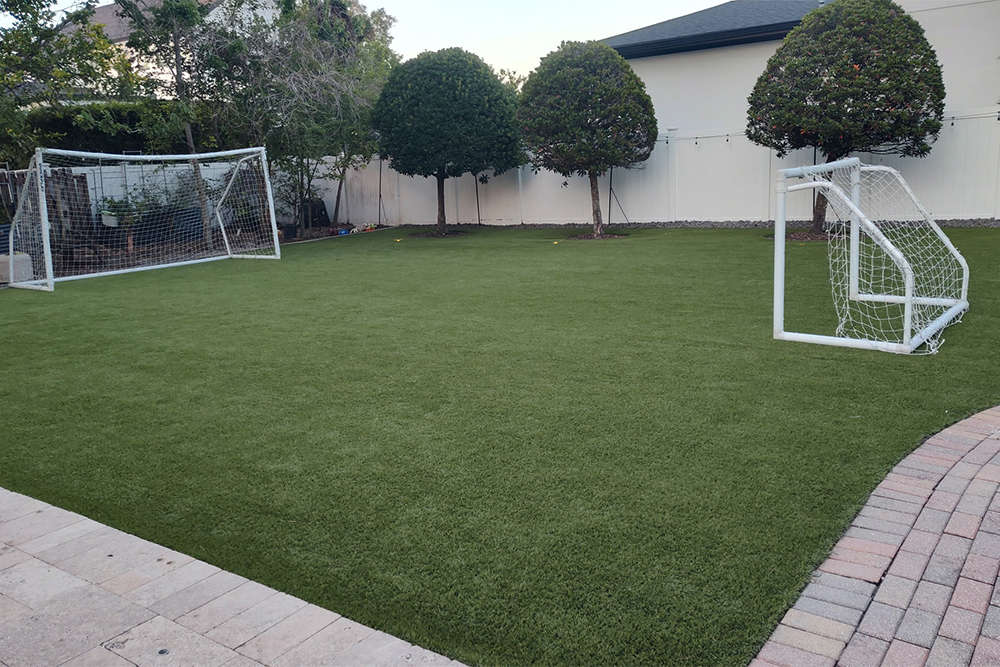
Artificial Turf as an Alternative Option
For homeowners who want a low maintenance solution, artificial turf can be an alternative to natural sod. It is especially popular in smaller yards in Orlando and Sanford.
However, turf still requires proper base preparation and drainage design to prevent water pooling and surface issues.
As noted in installation experience,
“Artificial turf is low maintenance, but that does not mean no maintenance.”
Sod, Trees, and Full Landscape Systems
A healthy lawn does not exist in isolation. It is part of a larger landscape system that includes trees, irrigation, and drainage.
Tree placement affects sunlight and soil moisture. Irrigation affects root depth. Drainage affects soil stability.
This is why full landscape planning is often recommended for homeowners planning major upgrades.
Related services:
The Difference Professional Installation Makes
Professional sod installation is not just about labor. It is about understanding how every part of the system interacts.
From soil preparation to irrigation design to aftercare guidance, each step builds on the last. When done correctly, sod becomes a long lasting foundation for a healthy landscape.
As the owner explains, “We always make sure you are starting off on the right foot so your landscape has the best chance to thrive.”
That level of care is what separates short term results from long term success.
Conclusion: Build the Lawn Right the First Time
In Central Florida, sod installation is not forgiving. Heat, rain, soil conditions, and irrigation all work together to either support or destroy a lawn.
Whether you are installing sod in Daytona Beach, upgrading a yard in Sanford, or redesigning a property in Winter Park, success depends on preparation and proper system design.
When every step is done correctly, the result is a strong, healthy lawn that lasts.
Call to Action
If your lawn is struggling, patchy, or recently installed incorrectly, now is the time to correct it before the damage spreads. Get expert sod installation, irrigation tuning, and full landscape support built for Florida conditions.
Contact MV Lawn Service & Landscaping today for a professional consultation and quote.